There’s nothing quite like the excitement of a successful space mission. But now that Artemis II has made history, just how did other long-distance missions travel? Here’s a round-up of six NASA space missions that set records on their journeys through the stars. 
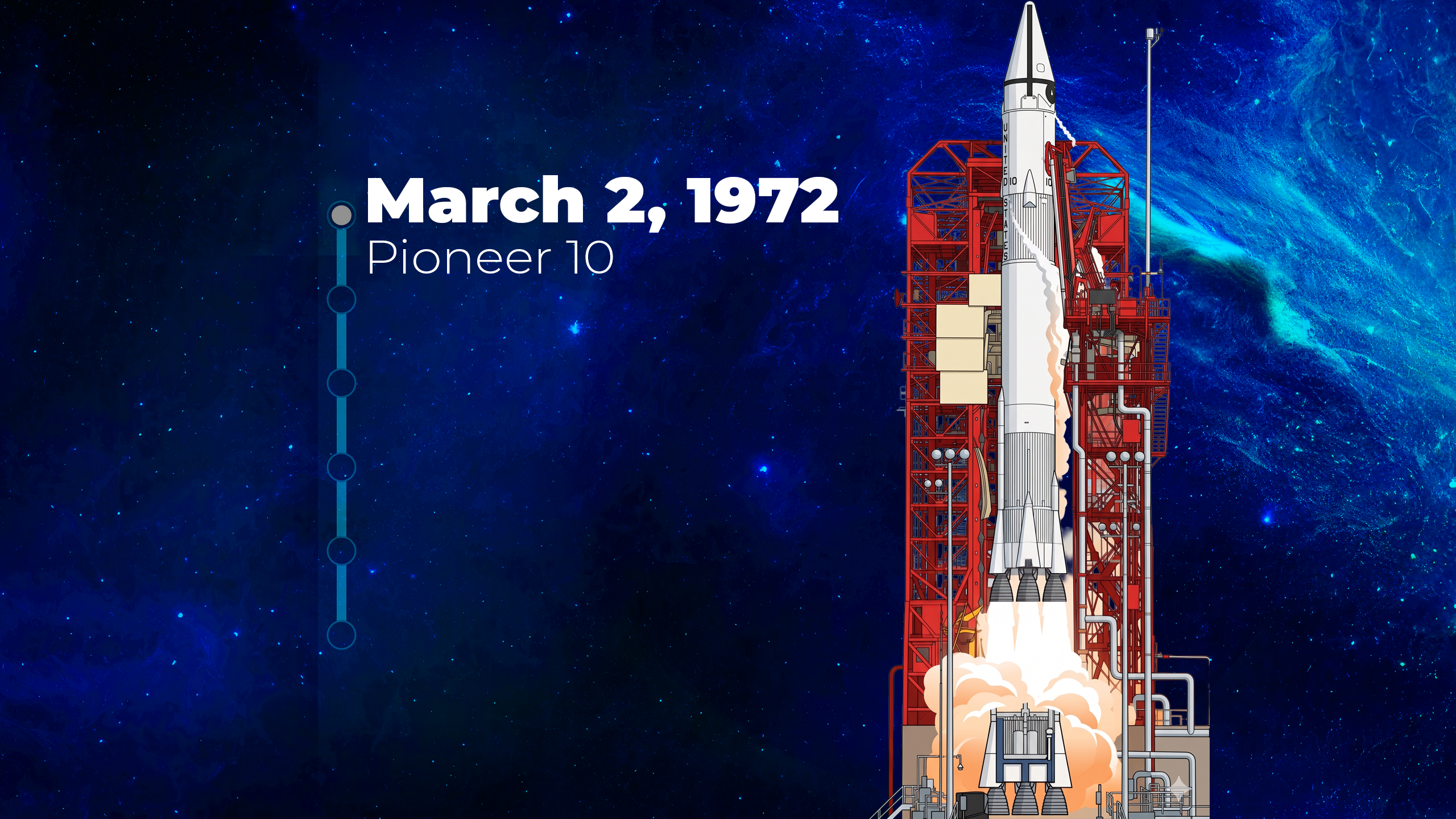
Pioneer 10

Launch date: March 2, 1972 
Journey length: 31 years (It was only designed for 21 months and its last signal came in on Jan. 23, 2003.)
Distance traveled: More than 13 billion miles from Earth as of mid-2026.
Current location: Heading toward Aldebaran in the constellation Taurus. Pioneer 10 is now the third-farthest human-made object.

Unique engineering: This small, spin-stabilized spacecraft launched on top of an Atlas-Centaur rocket. It was powered by four SNAP-19 radioisotope thermoelectric generators (RTGs) using plutonium-238, making this the first spacecraft to use all-nuclear electrical power. Spin-stabilization meant there would be no moving parts necessary to maintain attitude. After launch, it became the fastest human-made object at the time, reaching 32,114 miles per hour and passing the Moon's orbit in less than 11 hours.

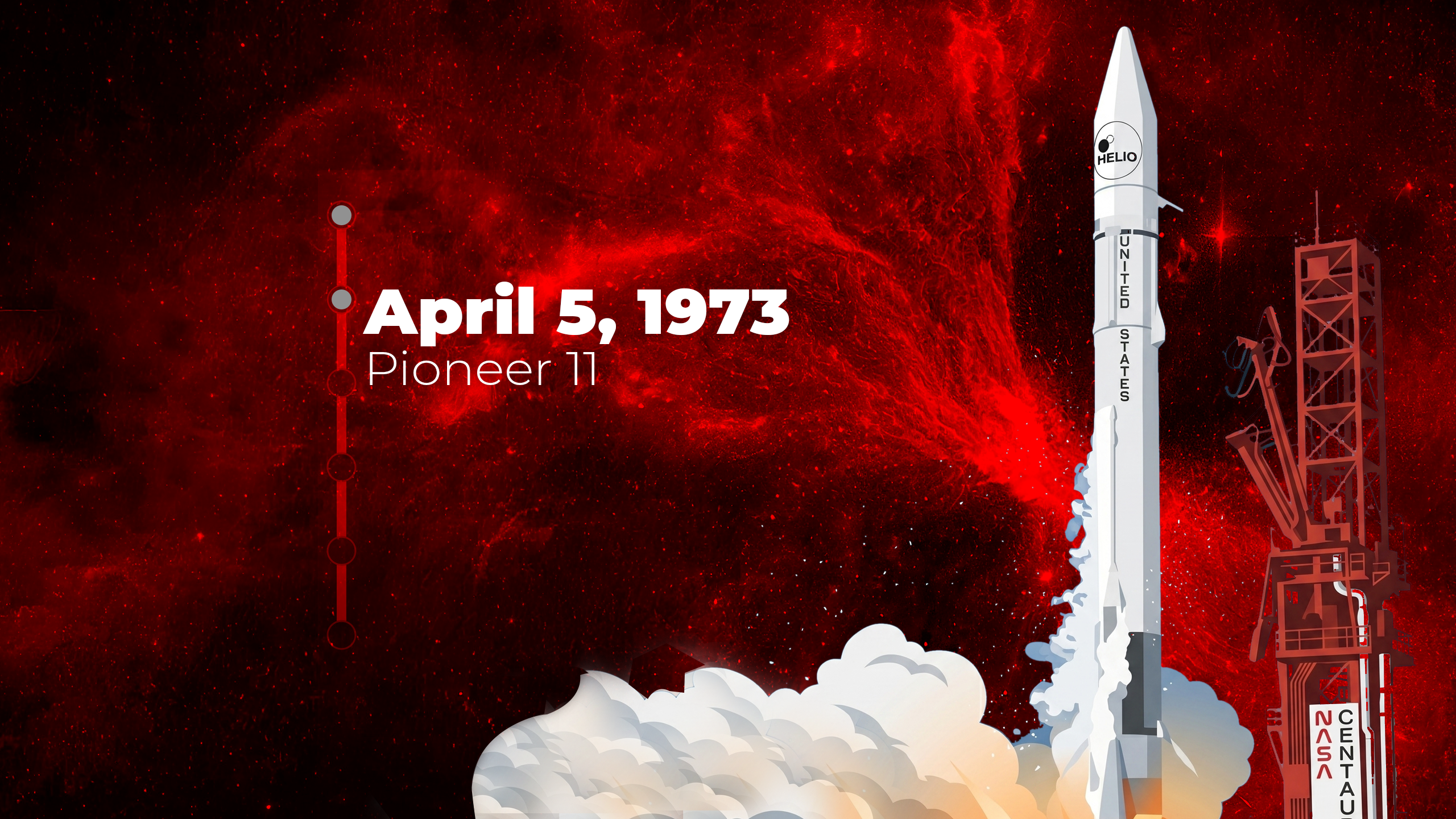
Pioneer 11

Launch date: April 5, 1973
Journey length: 22 years (Its last signal was received in November 1995.)
Distance traveled: 4 billion miles at last contact in 1995, 10.7 billion miles as of 2026.
Current location: Moving toward the constellation Aquila.
Unique engineering: Pioneer 11 had the same basic design as Pioneer 10, featuring a spin-stabilized platform, Atlas-Centaur launch vehicle, and four SNAP-19 RTGs. According to NASA, this mission’s defining engineering achievement was trajectory design. Mission planners retargeted Pioneer 11 mid-mission to use Jupiter's massive gravity to slingshot it across the solar system to Saturn, which brought Pioneer 11 within 26,400 miles of Jupiter, compared to Pioneer 10’s 81,000 miles. This strategy pushed the spacecraft past 107,400 miles per hour, making it the fastest human-made object at the time.

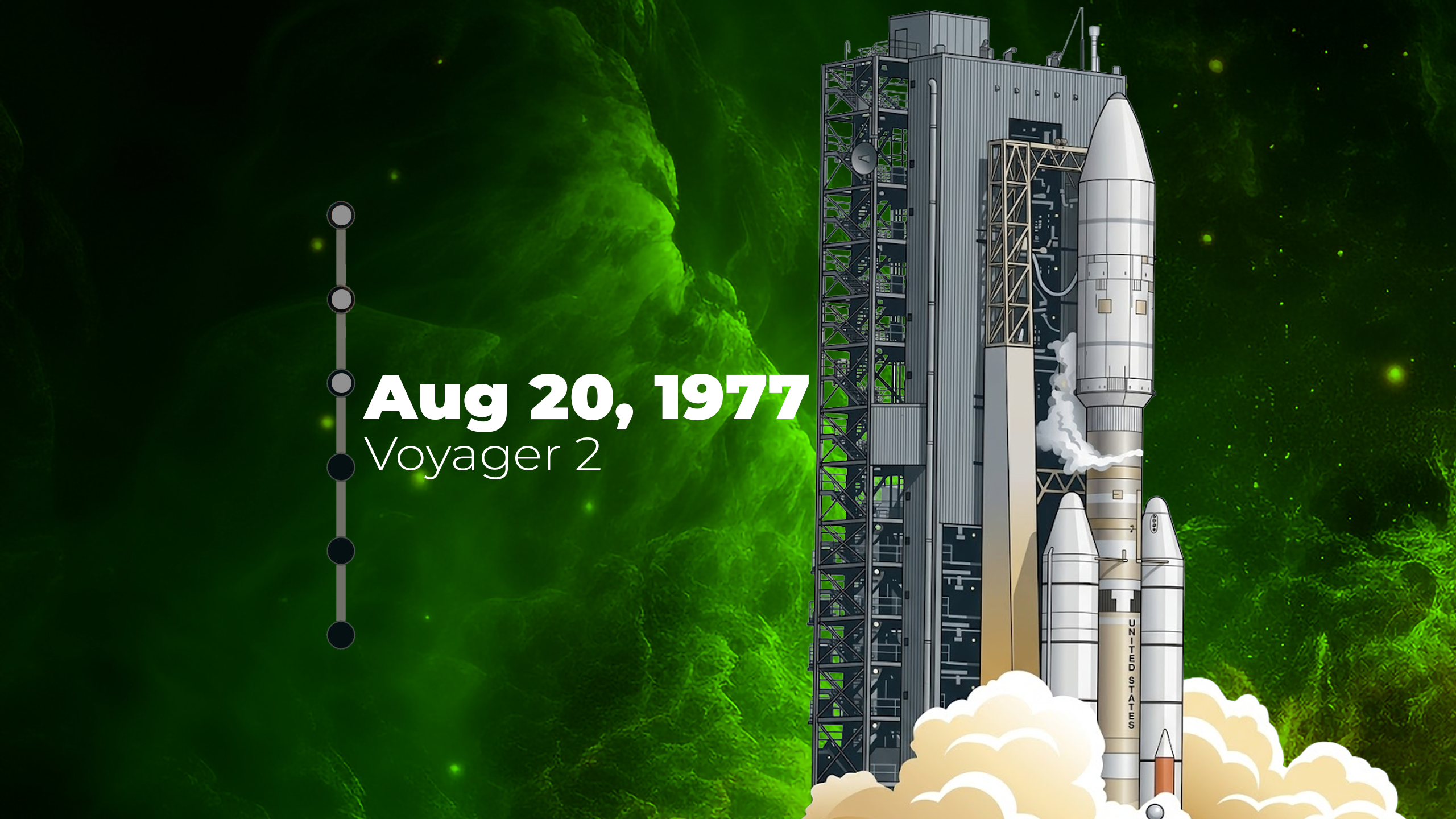
Voyager 2

Launch date: Aug. 20, 1977 
Journey length: 48 years and still transmitting as of April 2026. 
Distance traveled: Nearly 14 billion miles from Earth as of April 2026.
Current location: Constellation Pavo, making it the second-farthest reaching human-made object.
Unique engineering: Launched into space using the Titan IIIE-Centaur rocket, the Voyager 2 spacecraft used three-axis stabilization with celestial/gyro-referenced attitude control. Both Voyager probes were powered by three plutonium oxide RTGs and were the first spacecraft to use X-band as the primary telemetry link frequency. Three interconnected onboard computers ensured Voyager 2’s autonomous operations as well. When the spacecraft’s primary radio receiver failed in 1978, engineers adapted all subsequent commands to match the backup receiver's precise frequency. Voyager 2 is the only spacecraft to have visited Jupiter, Saturn, Uranus, and Neptune.

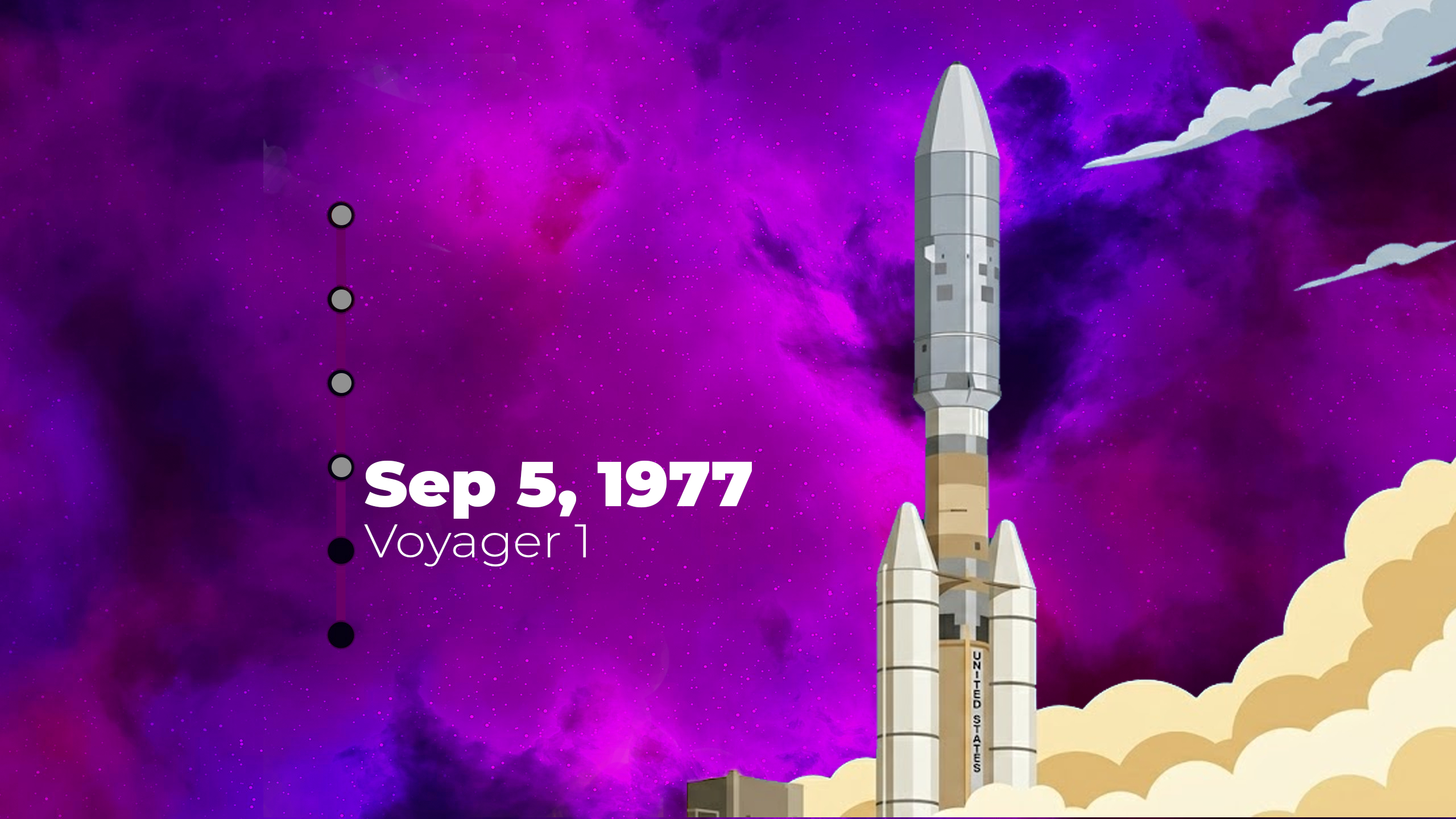
Voyager 1

Launch date: Sept. 5, 1977 
Journey length: 48 years and still transmitting as of April 2026.
Distance traveled: Nearly 16.0 billion miles from Earth as of April 2026.
Current location: Constellation Ophiuchus, making it the most distant human-made object from Earth.
Unique engineering: Voyager 1 launched the same way as Voyager 2, using the Titan IIIE-Centaur rocket, and was powered by three RTGs. On April 17, NASA shut down the low-energy Charged Particles experiment to keep the probe going. Now, after decades of power conservation, only two of Voyager 1’s instruments remain operational as of April 2026: the plasma wave subsystem and the magnetometer. When, after 47 years, silicon dioxide from an aging rubber diaphragm began clogging thruster fuel tubes, engineers carefully warmed a cold backup thruster branch and switched to it. This tactic restored the spacecraft’s ability to keep its antenna pointed at Earth. In 2012, it became the first object to cross into interstellar space. By late 2026, it is expected to officially reach one light-day from Earth.

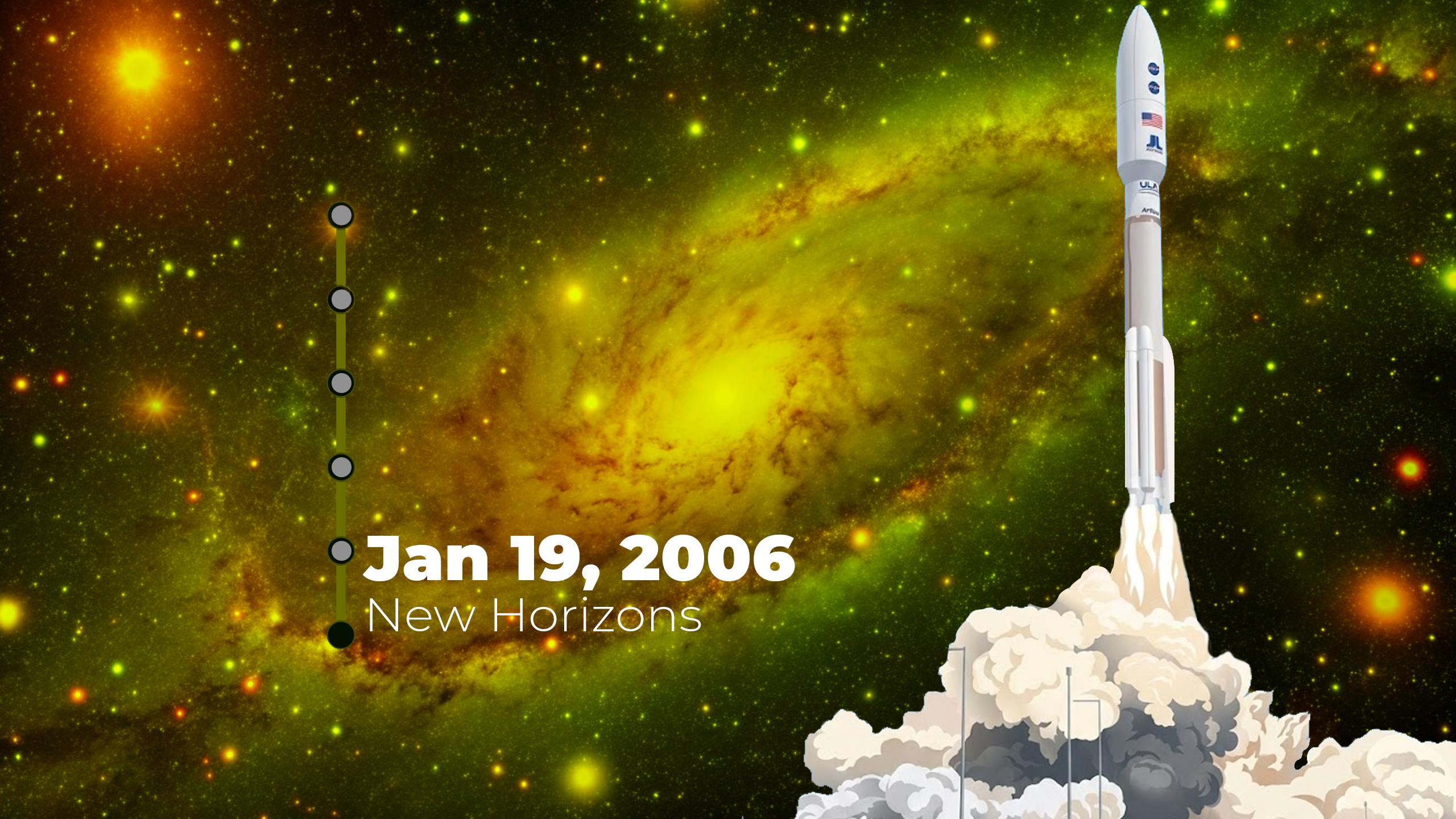
New Horizons

Launch date: Jan. 19, 2006 
Journey length: 20 years, with its mission extended through at least 2028–2029.
Distance traveled: 5.97 billion miles from Earth as of April 2026, currently traveling at around 30,000 miles per hour.
Current location: Constellation Sagittarius, expected to exit the Kuiper Belt in 2028 or 2029. 
Unique engineering: This piano-sized spacecraft launched into space using an Atlas V rocket. A Star 48B solid-fuel upper stage propelled New Horizons to 36,400 miles per hour, achieving the fastest launch velocity ever by a human-made object. This allowed the 478 kilogram (1,054 pound) vessel to pass the Moon's orbit in just nine hours. New Horizons uses a single spare general purpose heat source RTG from the Cassini mission production batch. New Horizons can switch between spin-stabilized mode for cruising and three-axis stabilized mode for observations. In 2015, New Horizons discovered that Pluto is a geologically active world and in 2019, performed the farthest-ever flyby of a Kuiper Belt object, Arrokoth. Today, the spacecraft is studying the outer Kuiper Belt of Earth’s solar system, before it follows its predecessors into interstellar space.

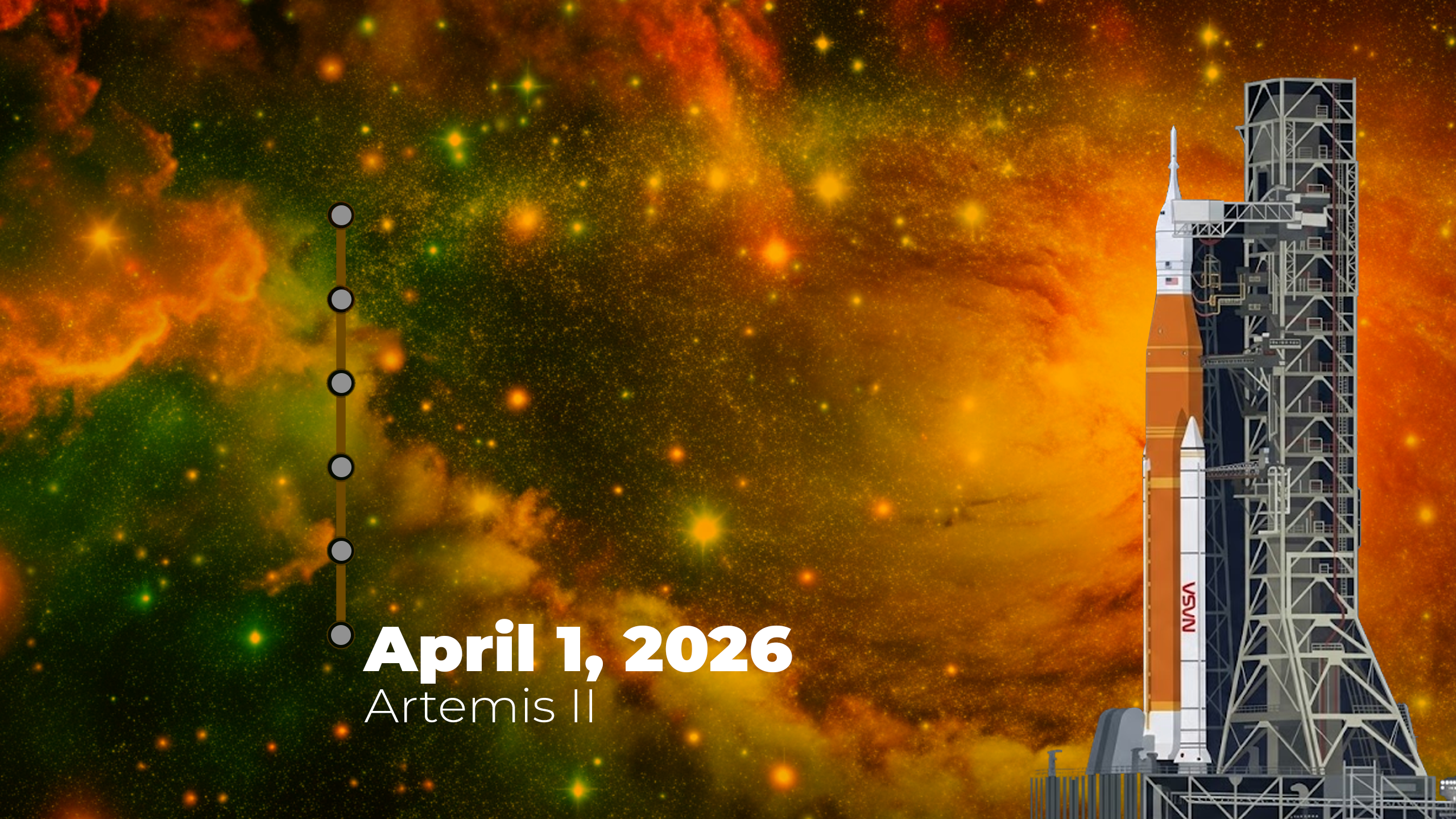
Artemis II

Launch date: April 1, 2026
Journey length: Nearly 10 days, with splashdown on April 10, 2026.
Distance traveled: 252,756 miles from Earth—the farthest humans have ever traveled—and a total of 694,481 mission miles. The spacecraft was 4,067 miles from lunar surface at closest approach.
Current location: The Orion spacecraft (Integrity) was recovered from the Pacific Ocean off San Diego and returned to Kennedy Space Center for post-flight analysis.
Unique engineering: NASA's Space Launch System Block 1 rocket used twin solid rocket boosters (each 177 feet tall) and four RS-25 engines to generate 8.8 million pounds of thrust at liftoff. Artemis II broke the human distance record first set by Apollo 13 in 1970 and was the first crewed spacecraft to perform a lunar flyby since Apollo 17 in 1972. The mission validated Orion's life support, propulsion, and navigation systems in deep space for the first time with crew on board. Lessons learned will inform future missions to the Moon’s surface and eventually to Mars.