
REWORKING RECYCLING
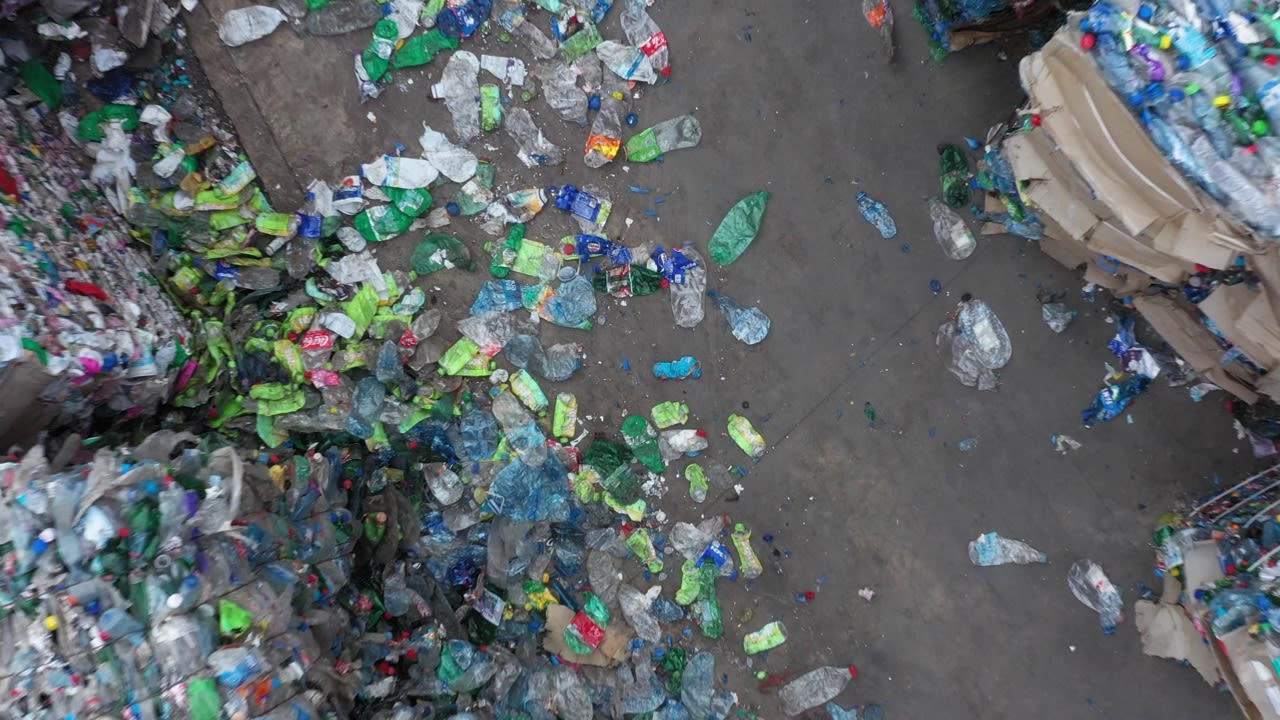
Mountains upon mountains of plastic are produced to help improve almost every aspect of human living—and most of it gets thrown out. But we have the technology to recycle a lot more than we do.

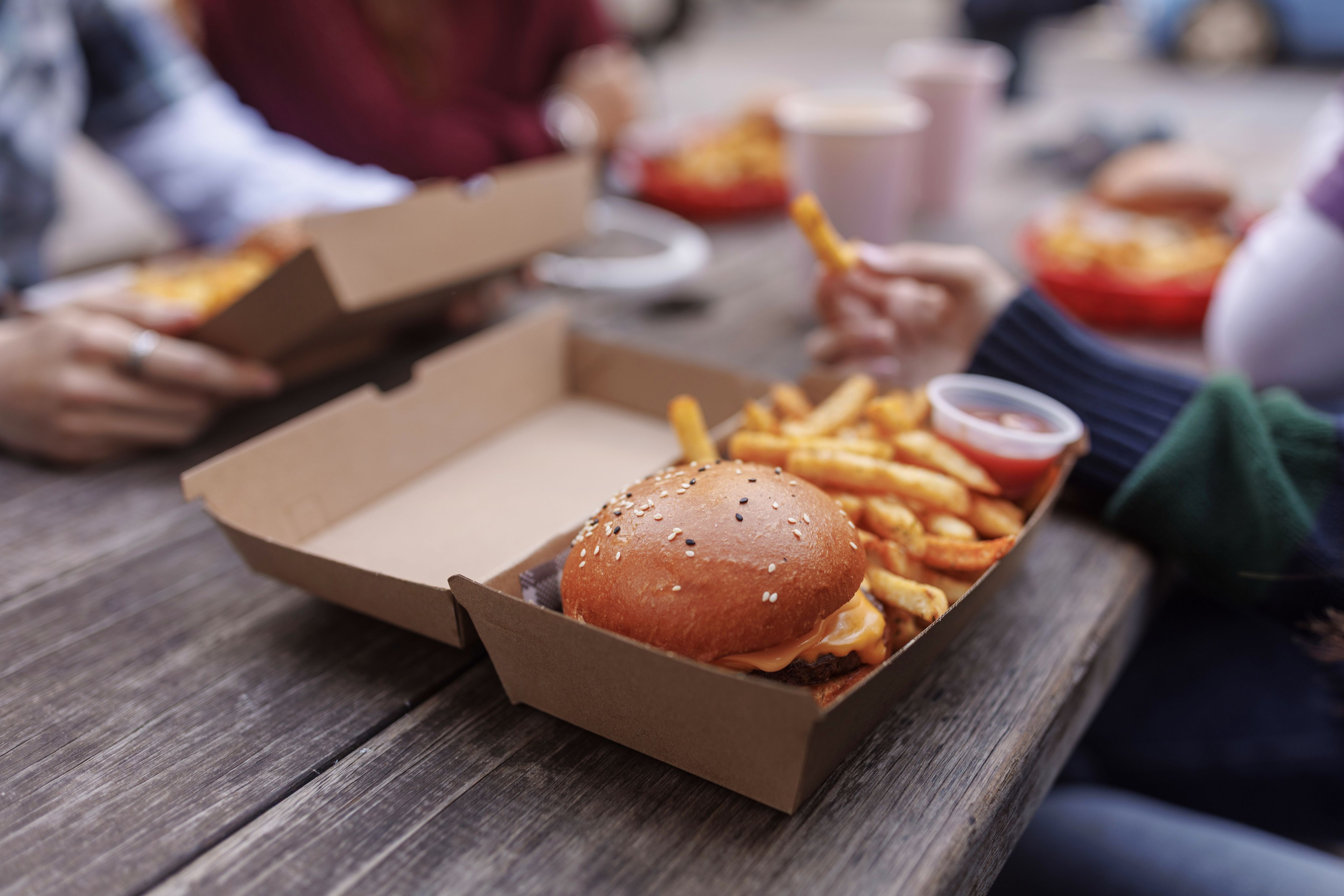
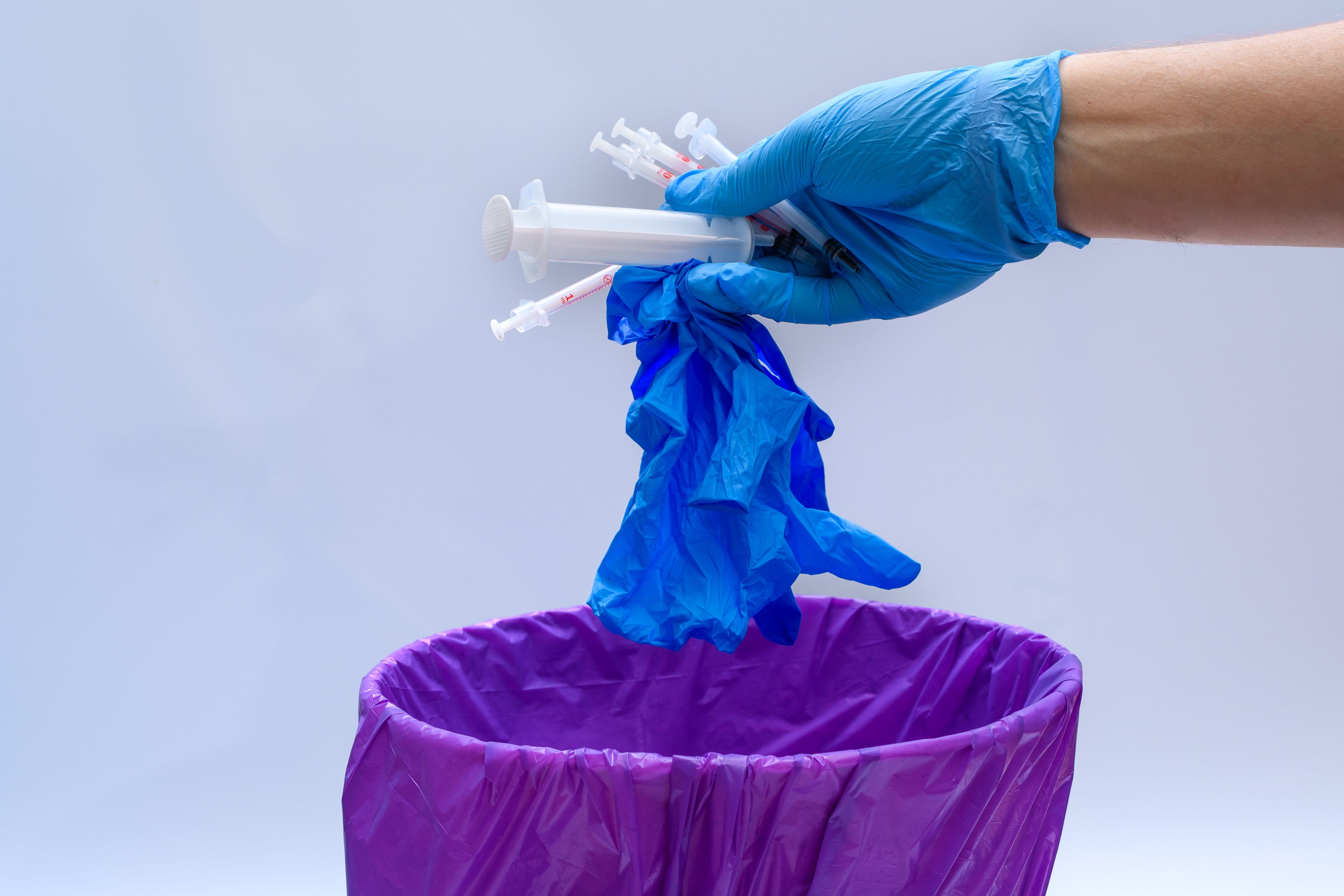
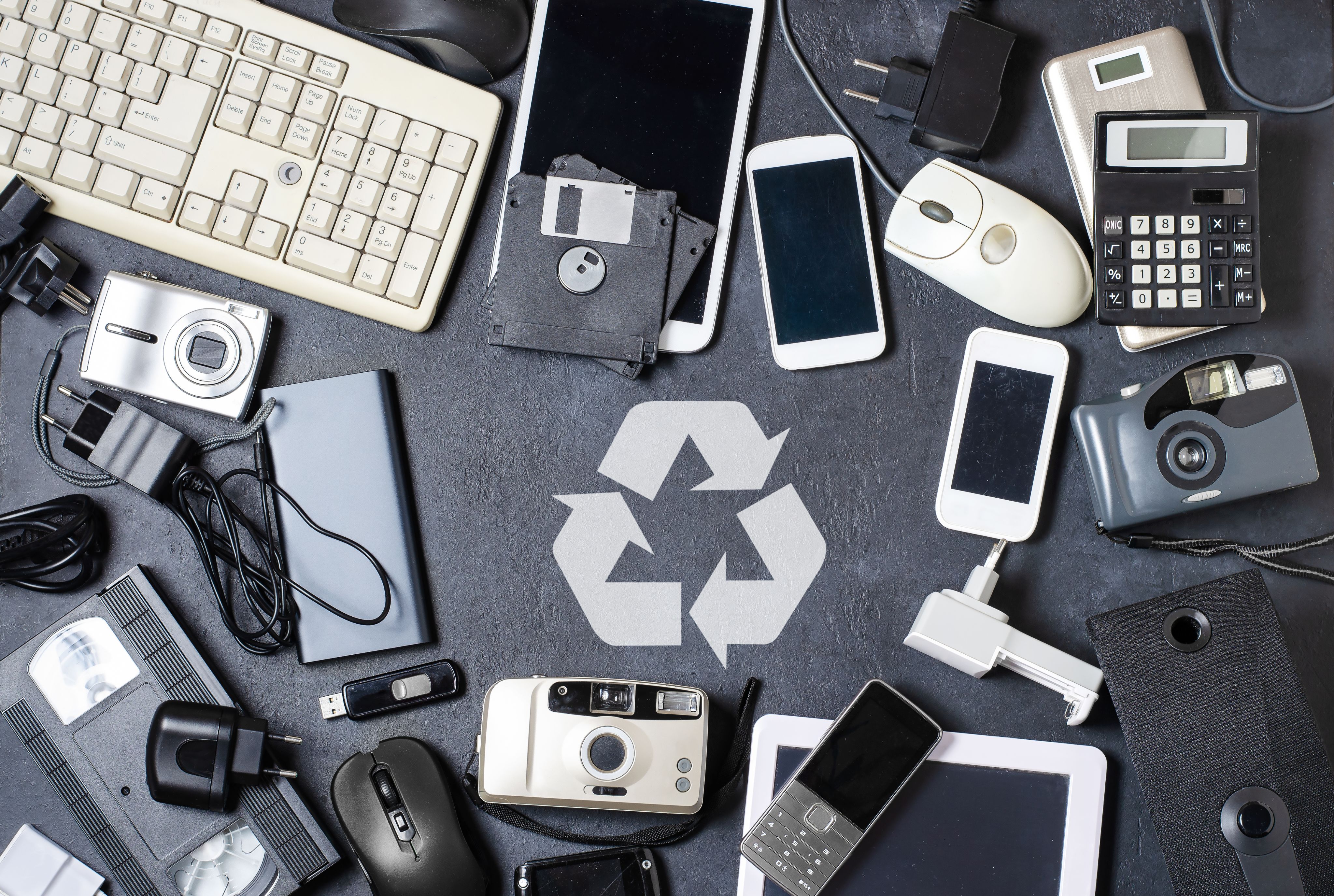
PLASTIC HAS BEEN GOOD TO US. Without this cheap, lightweight, and strong material, we wouldn’t have the packaging that holds our food and drinks, the bags that carry them home, or the plates, cups, and utensils with which to neatly consume them. We also wouldn’t have disposable medical supplies to keep things sterile, mattress foam to sleep on, or toys, clothes, electronics, and countless other products.
The list goes on and on. Well into the hundreds of millions of metric tons—400, annually, to be a bit more precise about it. That’s the weight of our annual global plastic production, a number that is roughly equivalent to the weight of all the humans that currently walk the Earth.
But only a tiny sliver of that gets recycled—less than 10 percent worldwide. And in the United States, despite our some 300 to 400 material recovery facilities (or MRFs), that figure sits somewhere between 4 and 5 percent. Some 20 to 30 percent of the remaining 57-million metric tons every year spills into the environment. The rest is landfilled.
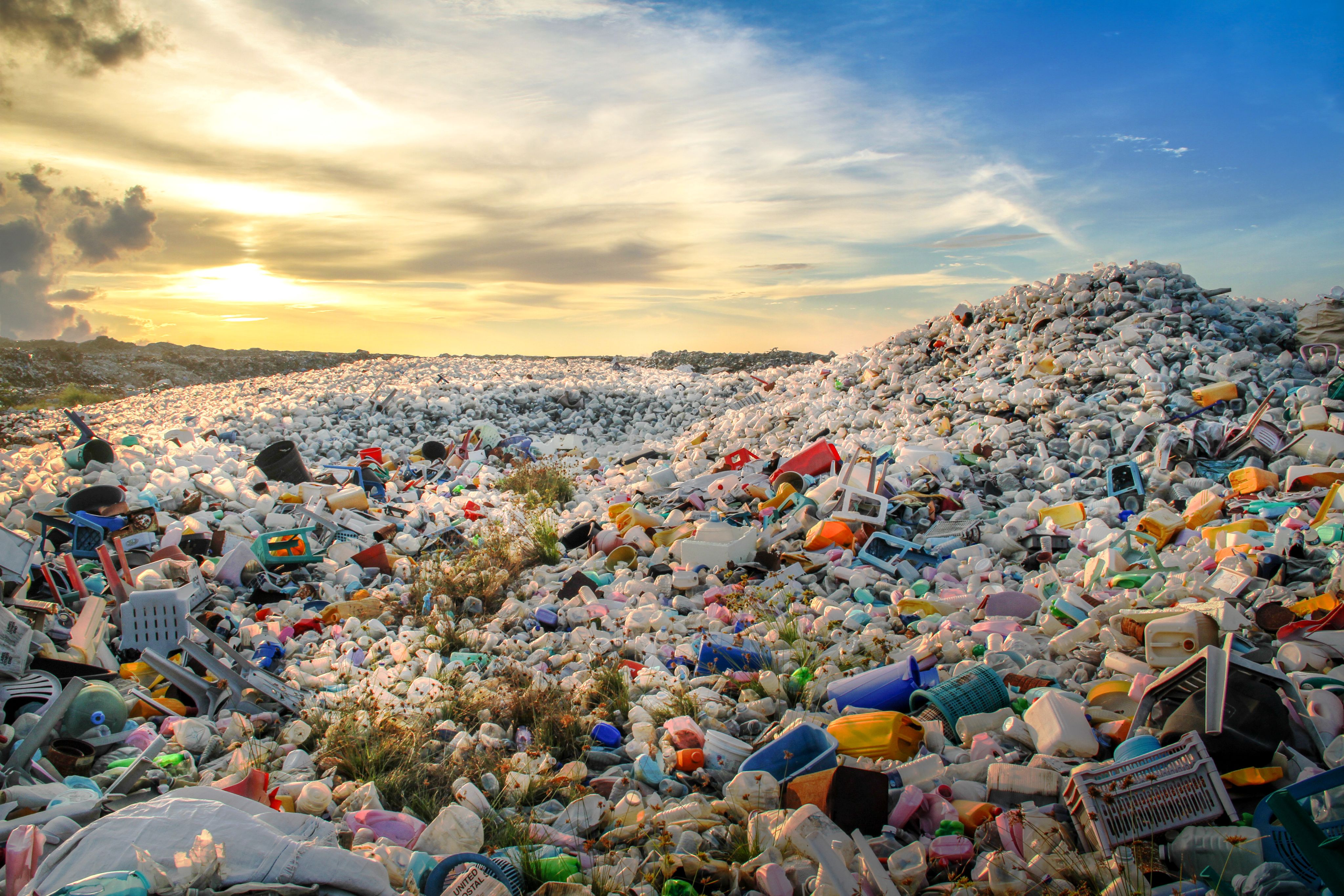
The cost is well-known. Heaps of unrecycled plastic foul the landscape, flow into our oceans, settle into our soil, and break down into microplastics that have been detected in human blood, lungs, and placentas. The very qualities that make plastic a miracle of modern engineering—its ease of production, lightness, strength, and resistance to decay—are its greatest detriments when it becomes landfill or worse. A standard plastic bottle is estimated to last up to 450 years; some polymers may persist for a millennium. Wherever they end up, they are likely to stay.
Researchers across the globe are working to find easier, faster, and, most importantly, cheaper ways to recover polymers so they can be reused and reused again. Some of those solutions involve high-tech interventions using advanced molecular chemistry and artificial intelligence. Others are a matter of logistical refinement: using what we have more efficiently or simply scaling up proven methods.





DISAPPEARING ACT
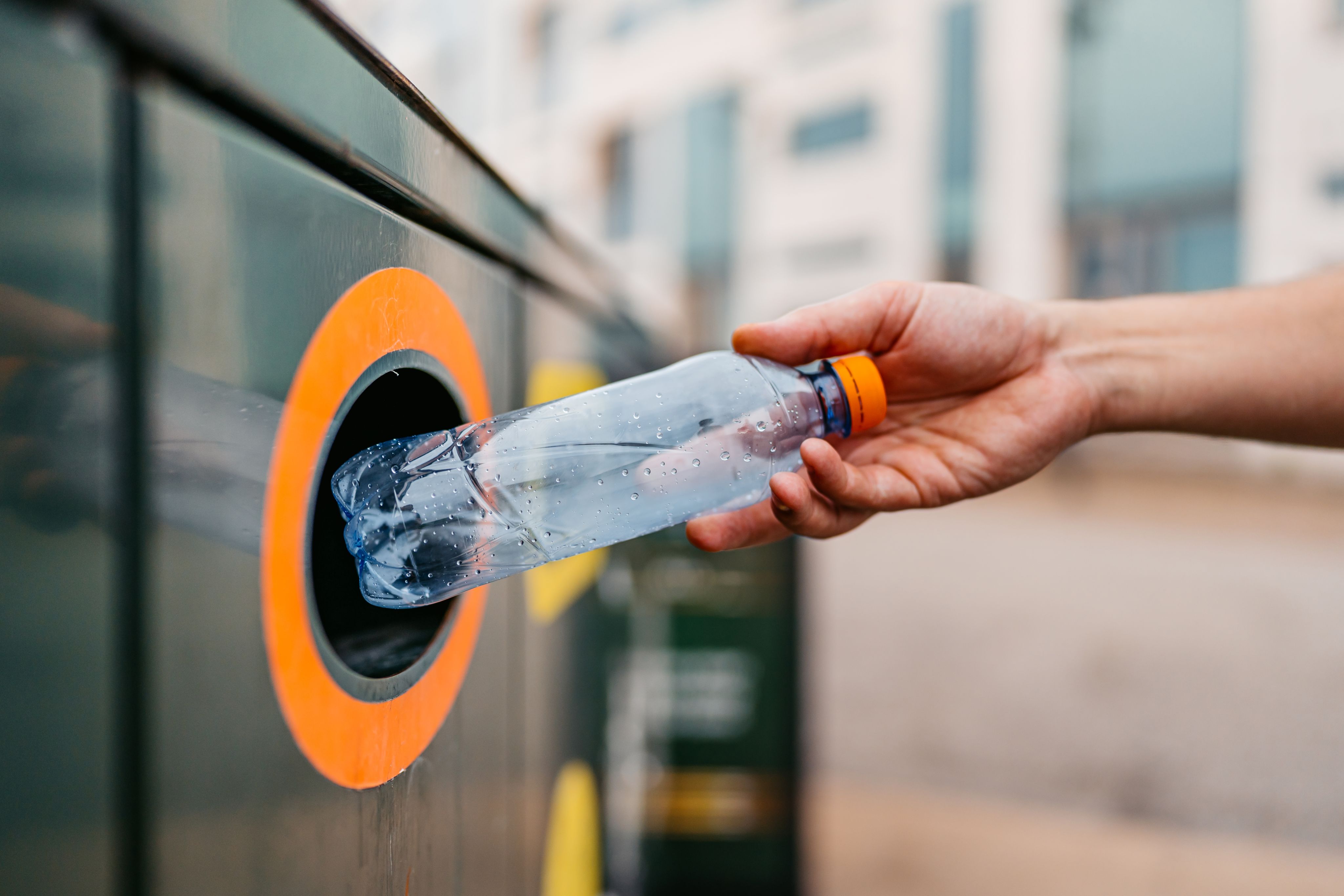
Just what happens to a piece of plastic after it’s been dropped in a green or blue bin with arrows on it? Most of us have no idea.
“If you pull a random person off the street and ask, ‘What happens to your recycling?’—I don’t care if they’re a lawyer or a doctor—they will communicate with you as though it is a magic trick,” said John Atkinson, a professor of environmental engineering at the University at Buffalo. “In full earnestness, they will say, ‘I roll the bin out on Monday morning, I come back from work, and it’s gone.’ That is the extent of their knowledge of the waste management system.”
In reality, what happens to the contents of those bins depends on where their owners live, how well they’ve followed the rules and recommendations of the municipality they’re in, and the protocol of the MRF that serves it.
Once the truck tips its load, the waste goes through a Rube Goldberg-esque maze of mechanical separation. Large blowers use air currents to whisk away lightweight bags and films. Giant magnets pull out the ferrous metals, and eddy current separators use a rapidly spinning magnetic field to put a current in non-ferrous metals, repelling them into their own pile. Glass, heavy and brittle, is sharp when broken (and it’s often broken) and is almost worthless. Much of it goes straight to landfill.
But cardboard is a resounding success story: nearly 70 percent of it is recycled in the U.S., and the fibers can be processed up to seven times before they become too short for further use. Aluminum is even better. It is infinitely recyclable, requiring 95 percent less energy to recycle than to produce from raw ore. Something like three quarters of all the aluminum ever produced is still in circulation today—bits of the aluminum in Napoleon’s cutlery might be in the cat food cans sitting in the cupboard today.
But plastics are a different story.

TRIANGULATION
While metals and paper, and even glass, are relatively straightforward to process for recycling, plastics are thorny and costly.
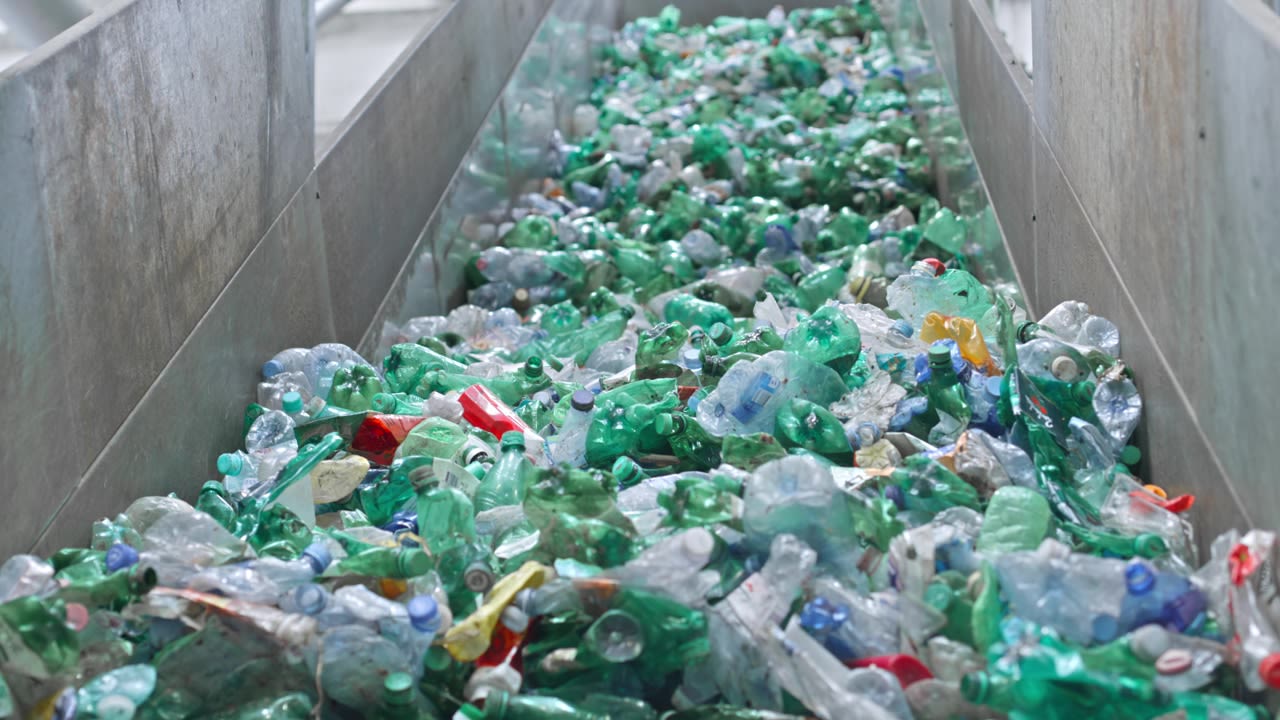
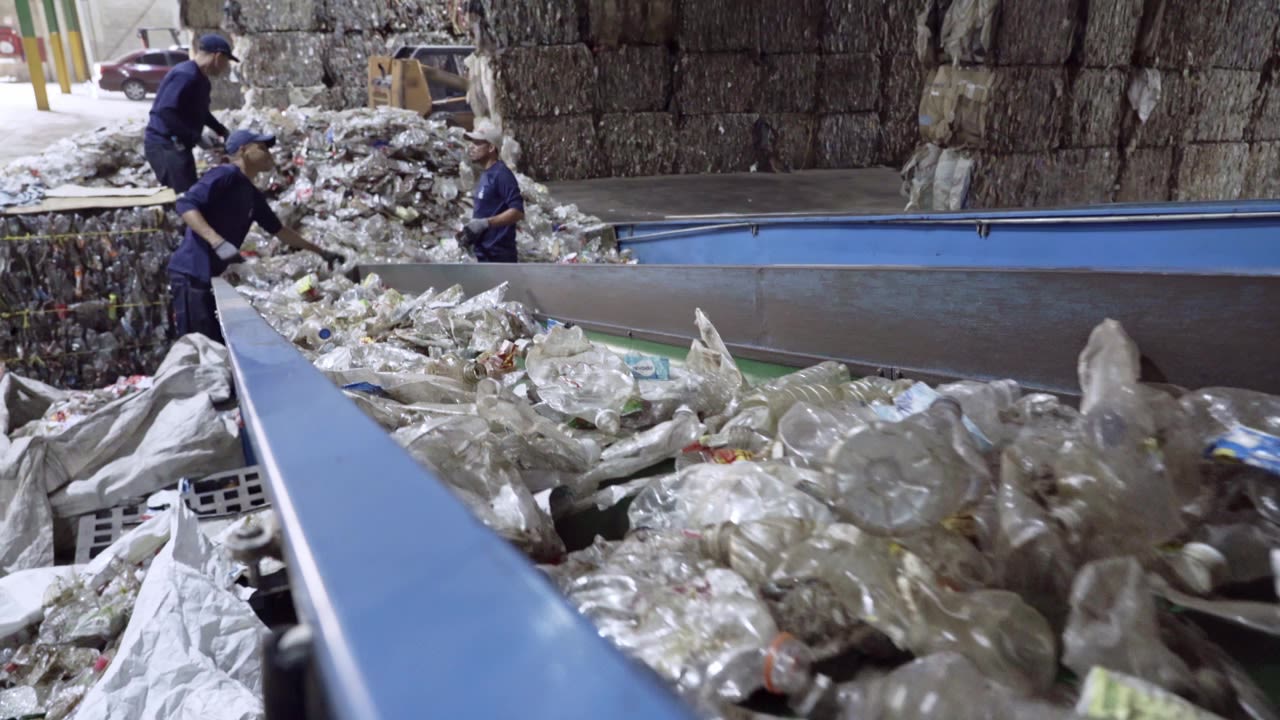
In most U.S. MRFs, plastic sorting is still largely done by hand and only two types of plastic are recycled with any consistent success: Number 1 (Polyethylene Terephthalate, or PET) and Number 2 (High-Density Polyethylene, or HDPE). PET—the stuff of water and soda bottles—and HDPE—the material used for milk jugs and detergent bottles—are relatively homogeneous, easy to melt down, and yield a recycled resin that sells for a price competitive with virgin plastic. Something like 30 percent of these two plastics are successfully recycled.
The rest, not so much. Plastics 3 through 7 are often destined for the landfill. “Most plastics are inherently contaminated with inks, dyes, plasticizers, labels, or residues,” Atkinson said. “It’s just complicated.”
The triangles and the (sometimes impossible to read) numbers inside only tell a fraction of the story. A container marked with a five might be pure polypropylene, or it might be a composite that includes flame retardants, stabilizers, lubricants, dyes, and more.
Recognizing these elements, let alone separating them, is a difficult, expensive, and possibly impossible task. Without a high-purity stream, these miscellaneous plastics end up, at best, as “recycled” grey bricks, or, more likely, buried in the ground.


AN AI EYE
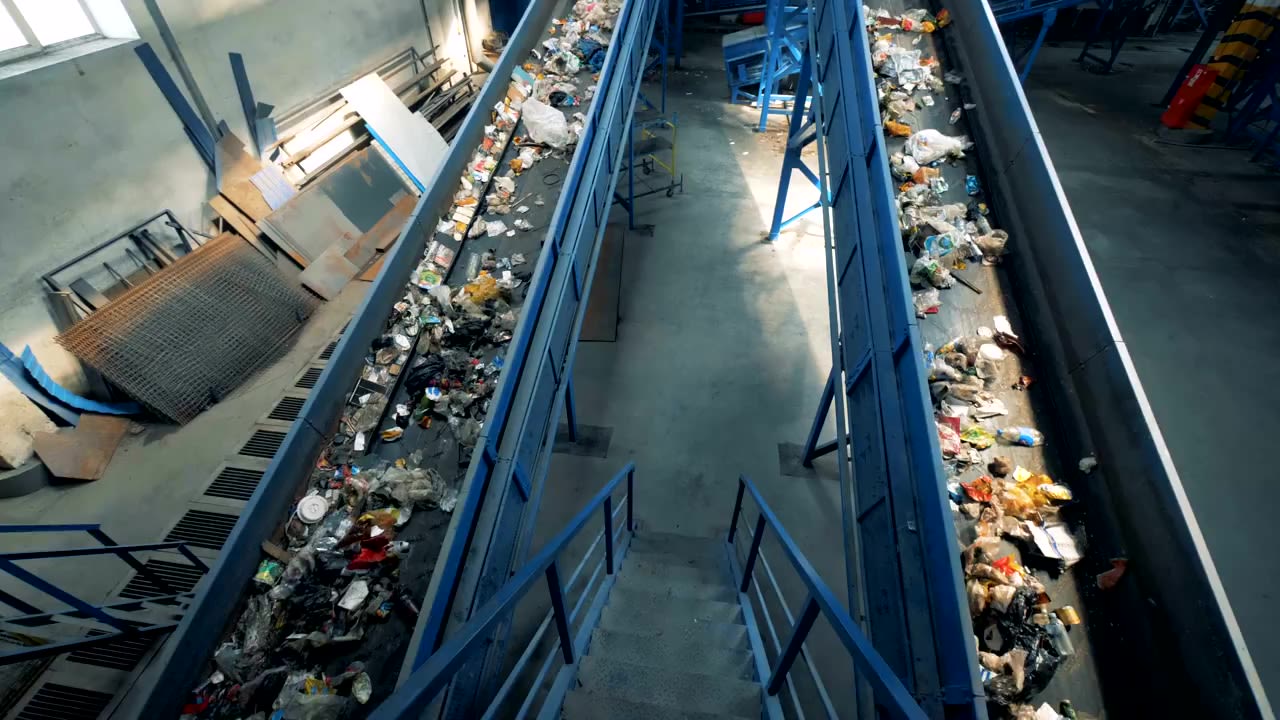
Recognizing and separating all the elements of our plastic waste is exactly what Mogens Hinge, a professor of plastics and polymers at Denmark’s Aalborg University, hopes to make both possible and affordable. His tactic combines near-infrared spectroscopy with artificial intelligence to create a “digital fingerprint” for every piece of plastic that comes under the camera’s eye. The system can use the catalog of such fingerprints to recognize just about anything that comes down the conveyor belt, as long as there’s no obstruction blocking the camera’s view.
While infrared sorting has existed for years, it typically requires the sensor to be positioned right up against an object. Hinge is using a specific band of infrared that can be detected from a greater distance. Though the signal is weaker, he has trained a neural network and statistical models to interpret the data, allowing the system to identify the chemical signature of plastics.
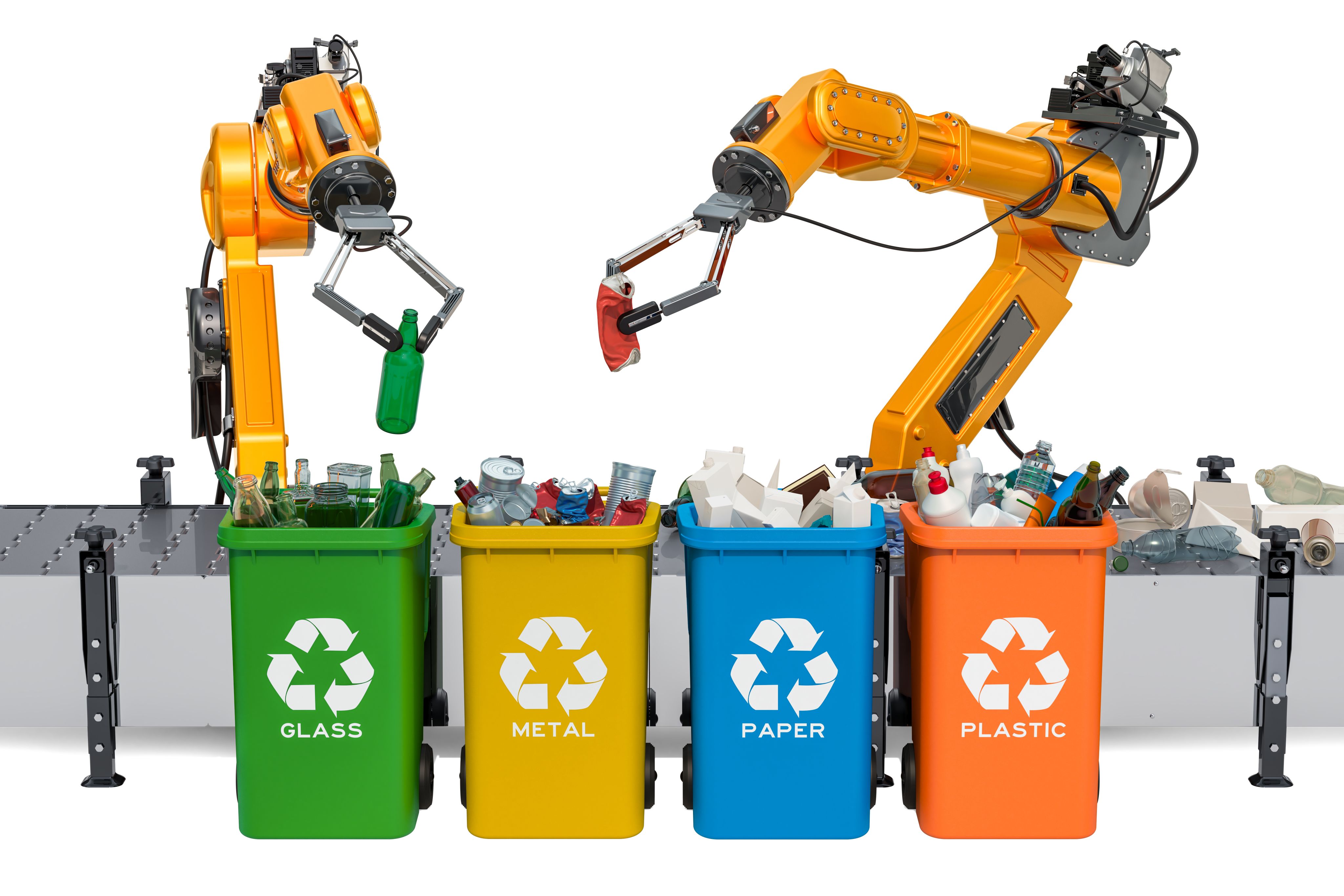
Hinge proved the concept in a paper published several years ago and has since deployed the system—with an infrared camera and plastic picking robots—in two factories. One is a post-consumer facility; the other specializes in sorting ropes and nets from other plastics recovered from the ocean. “The cool thing is that it just works,” Hinge said.
However, there is a bottleneck: speed. “They work really well, but jeez, they’re slow,” he said. “Actually, extremely slow. And that’s because the AI is doing a vast amount of math—math that is not really necessary if you do some smart modeling.”
Currently, old-fashioned statistical models can outpace neural networks by a factor of 10. Hinge is now working on using chemical signatures to train the system, while a simpler and faster model executes the sorting on the line.
But even with the fastest robots, his system runs up against the issue that haunts all recycling technology.
“I’ve never met any recyclers that were not full-blown—with every cell in their bones—into recycling, and if they could, in any way, make it work, they would make it work,” said Hinge, who calls himself ‘proactive pessimistic.’ “Of course, I also meet reality. You know, maybe you cannot take a camera that’s, say, $100,000, and put it into a plant and run something that will only gain you a few cents per ton.”
Until the cameras are cheaper, plastic more expensive, or there’s the political wherewithal to subsidize such an effort, Hinge’s efforts may be too costly—for now.
“We can recycle plastics if we want to, but there is a cost to do it.”
—George Huber, a professor of chemical engineering at the University of Wisconsin-Madison
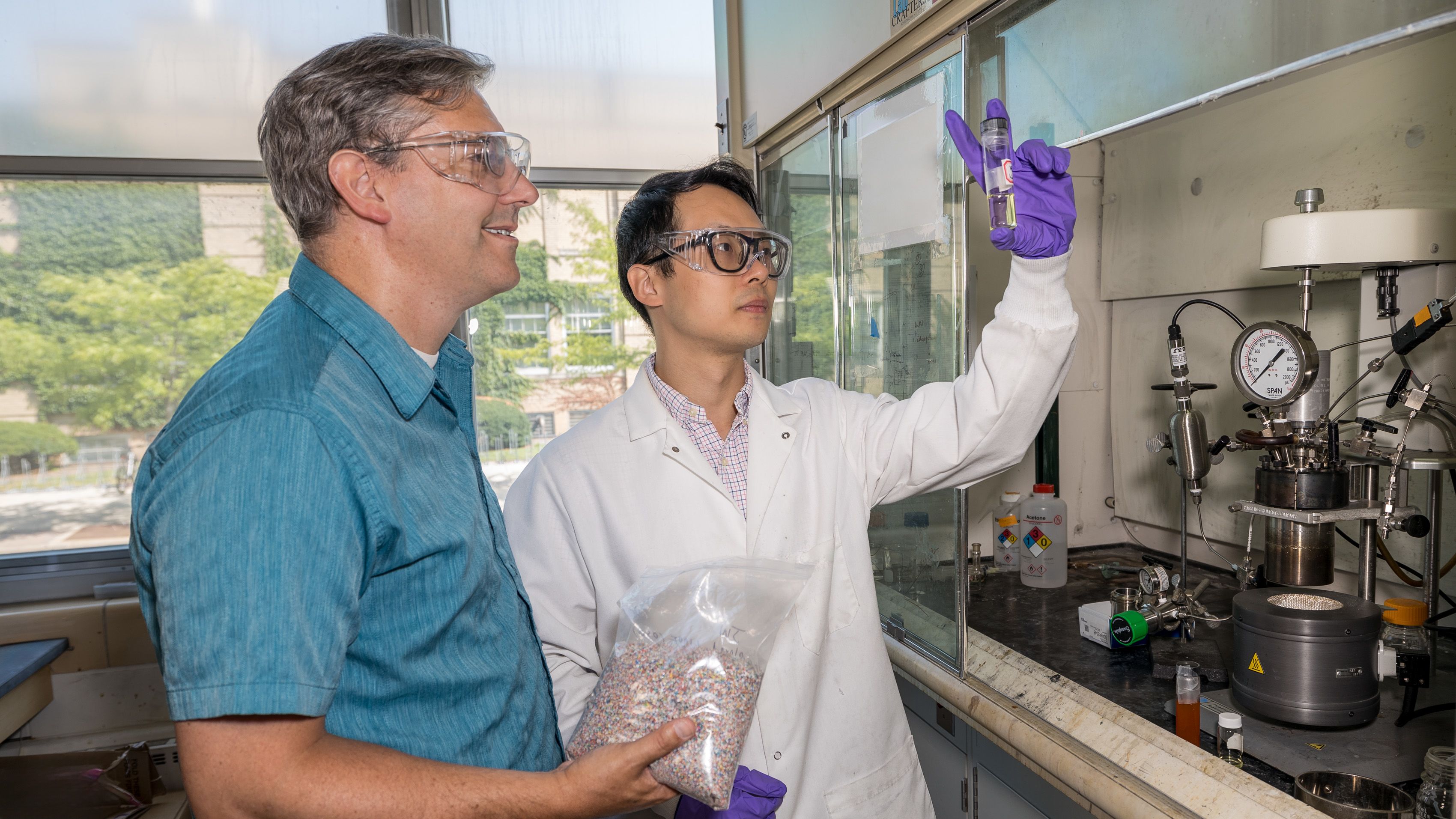
<< George Huber (left) and postdoctoral researcher Houqian Li. Photo: University of Wisconsin-Madison

BREAKING THE BONDS
Even if we sorted every piece of plastic perfectly, we would still be a long way from recycling all of it. “When we think about recycling, it’s converting one product to the same exact product at the end of its lifetime,” said Yosi Kratish, research assistant professor in chemistry at Northwestern University and the founder of NylaNova. That requires a clean, high-quality, mono-material.
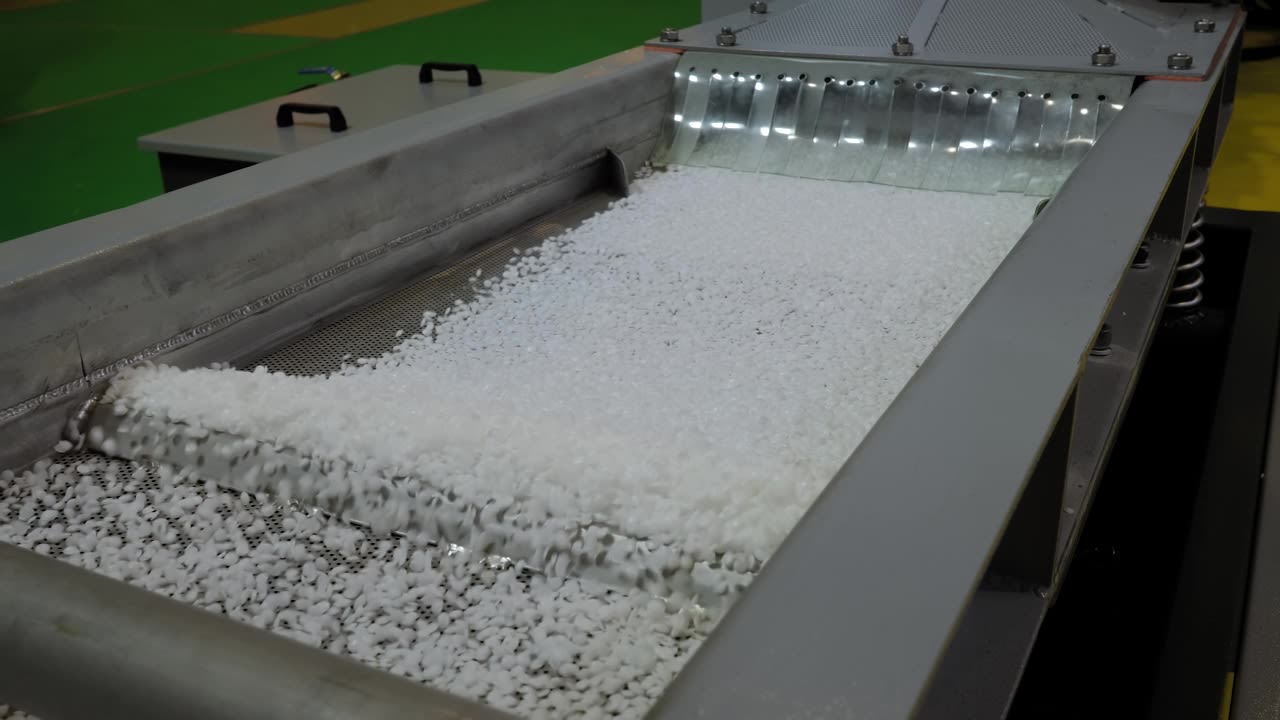
Current recycling practices are essentially mechanical, where plastics are separated, chopped up, melted down, and turned to small pellets before being used again.
“The biggest problem using that approach is you just cannot do it for all plastics. The majority of plastic products cannot be subjected to mechanical recycling because they are usually made with a couple of different kinds of components,” Kratish said. “So, for example, you may have a polyester and a spandex, or you may have a polyolefin covered with some coatings, and then you have dyes, additives, flame retardants, you name it.”
Adding color alone to plastics creates a major hurdle to overcome. Even number 2 plastics lose half their value when there’s a mix of different colored jugs in the same batch. The result is a muddy, grey resin, with little monetary value.
But if you break the bonds of the long molecules that are polymers, you can reduce them to monomers. “Then you can purify them, and then you can have a pristine, virgin quality monomer that, in principle, shouldn’t be any different than a monomer that is derived from fossil feedstock,” Kratish said. “This type of recycling is called chemical recycling.”
Chemical recycling can be achieved with a solvent under high pressure and high temperature, but the result is a soup of monomers which have to be separated, as does the solvent. That requires a lot of energy and, ultimately, money. “If you can eliminate solvent use, you save so much energy,” Kratish said. “And it becomes much easier to scale up and much greener. No negative effects, no specialized equipment needed.”
To tackle, say, a shirt made of nylon-6 or polyester that is commingled with spandex, a catalyst could break down just the nylon-6—or just the polyester—and ignore the rest. “Now you have access to the most common and most challenging waste stream out there, and you can still get high purity and good performance,” he explained.
The eventual goal is a “cascade” of catalysts where different plastics are broken down one after another. In the case of polyolefins, he developed a catalyst (or catalysts) that can be used many times over and are regenerated using a dirt-cheap aluminum precursor.
With his company, NylaNova, Kratish is targeting nylon-6, often used in yoga pants, fishing nets, and carpets, with the aim of producing a product that will sell for the same price—or less—as virgin plastic. “It has to be very aggressive, otherwise there will be no adoption,” he said.
If successful, such catalysts could eventually mark the end of sorting plastics at the MRF. “It is unbelievable how much space and machinery you need just to separate plastic chips from other junk,” Kratish said. “The main vision is, in the long run, to have a facility, get different kinds of plastics, and break them down to basic building blocks in a selective way.”
THE SOLVENT SOLUTION
When a polymer can be returned to a pure polymer state, instead of all the way back to monomers, it may be more efficient to use solvents. That’s what George Huber, a professor of chemical engineering at the University of Wisconsin-Madison hopes to do. He and his team have developed a method called STRAP (Solvent-Targeted Recovery and Precipitation), which uses solvents tailored for specific polymers.
“We pick a solvent that’s going to selectively dissolve one of the polymers,” Huber said. “We dissolve it in a solvent, then we filter everything out—so we get out the color, we get out the titanium, we get out any of the other plastics.” The plastic itself stays dissolved in the solvent, and then, once cooled down, it’s precipitated out and recovered. “So then you’re left with pure resin,” he explained.
The solvent, once evaporated, is completely recovered and available for reuse. As the solvent costs roughly twice the price of gasoline, the cost of the solvent alone is not likely to increase the cost of the end product.
In the lab, Huber and his team have managed to make several pounds of pure resin. “Now the big question is, okay, we can make a kilogram of material, can we make three or four... or 2,000,” he said. “So we’ve designed a pilot plant system at Michigan Tech University that can produce 50 pounds an hour of resin.” At this point in time, though, it costs roughly $40,000 a week to operate.
“We can recycle plastics if we want to,” Huber said. “But there is a cost to do it.”

BIN THERE
However promising these technologies, the fastest way to increase our rate of recycling plastics may be a simple shift in group ethics, behavior, and procedure.
“As a society, we like to have simple solutions—where we throw everything in the trash, and the trash comes and collects it and does landfill or incineration,” Huber said. “The waste management companies own the landfills, so they’re motivated to put stuff in the landfill. That’s how they make their money.”
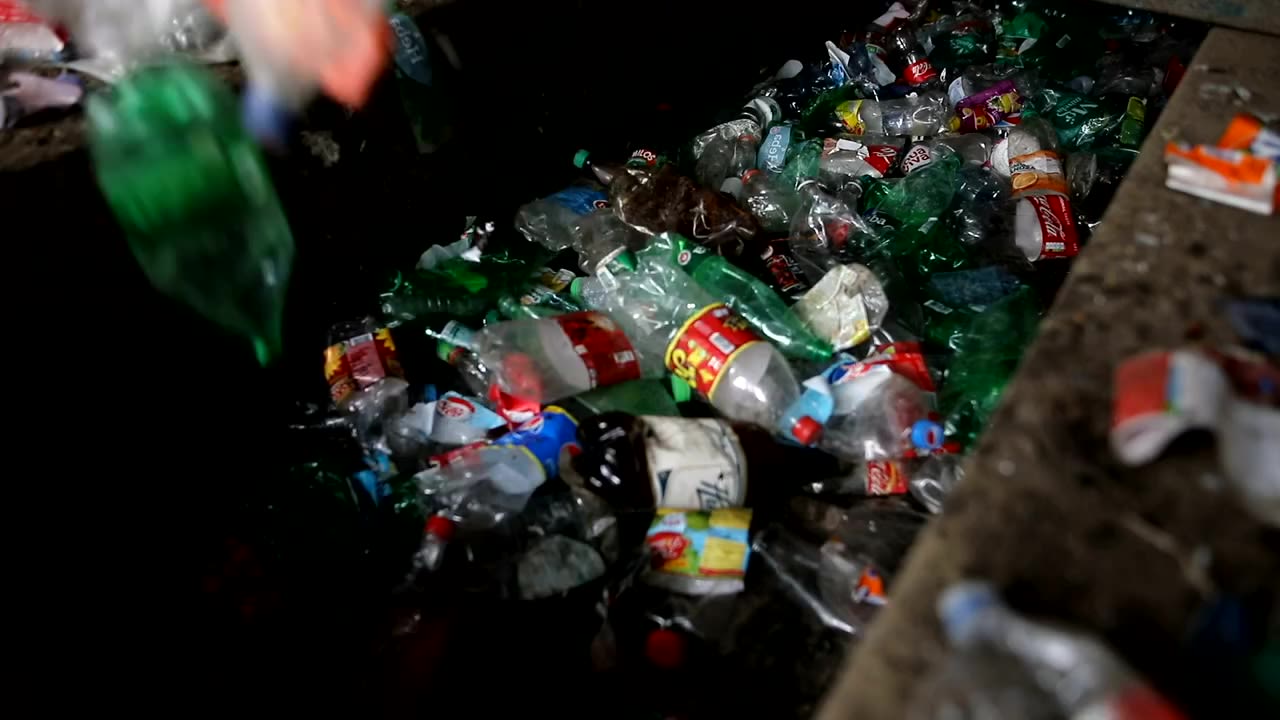
In Japan and South Korea, there are many more bins outside apartments and convenience stores, and sometimes cameras watching them, and sometimes fines for not using them properly. That system results in much higher recycling rates: 20 to 30 percent of all plastics.
“They have a different sense of social responsibility there,” said Jason Bara, a professor of chemical engineering at the University of Alabama. “We have to also remember that these countries aren’t as rich in the petroleum resources that make plastics as we are.”
In the U.S., if we don’t see a convenient recycling bin in the vicinity after finishing a bottle of soda, that bottle is likely to end up in the trash. “If you put it in your trash can, it’s trash—there is no chance of that bottle getting recycled today,” Atkinson said. “That alone highlights where this starts, because it’s you and me that are making that first decision.”
To help us make that decision a better one, we could have more bins for different plastics as well making them more widely accessible. Fines for misuse might not be popular, but they could be effective, and we could create more bottle deposit programs. A tax on virgin resin could make the recycled stuff more competitive. Regulation at the production side could help as well. “There are groups now talking about extended producer responsibility for packaging, mandating producers to guarantee their products get recycled,” Atkinson said.
But the benefits of simply sorting better cannot be overstated. “It is mind boggling that we are not recycling 40 percent of the material,” Hinge said. “Because simple floating technology—where you just put it in a bathtub, skim off the top, and throw out the rest—will give you about 30 to 40 to 60 percent. And that is damn simple.”
If the magic of the disappearing bin is going to be substituted with something more effective, it’s not likely to be a magic bullet, but a combination of everything that’s found above. “I don’t think there is an ideal plan,” Bara said. “You have to address these things one by one, and then maybe in the long term there will be integration of various processes.”
Maybe, with better collection, better sorting and separation, catalysts and solvents systems when needed, we may someday reduce our ever-growing piles of garbage and begin progressing toward the true recycling of that potent, near-magic material, plastic.
Michael Abrams is a technology writer in Westfield, N.J.

 Built with Shorthand